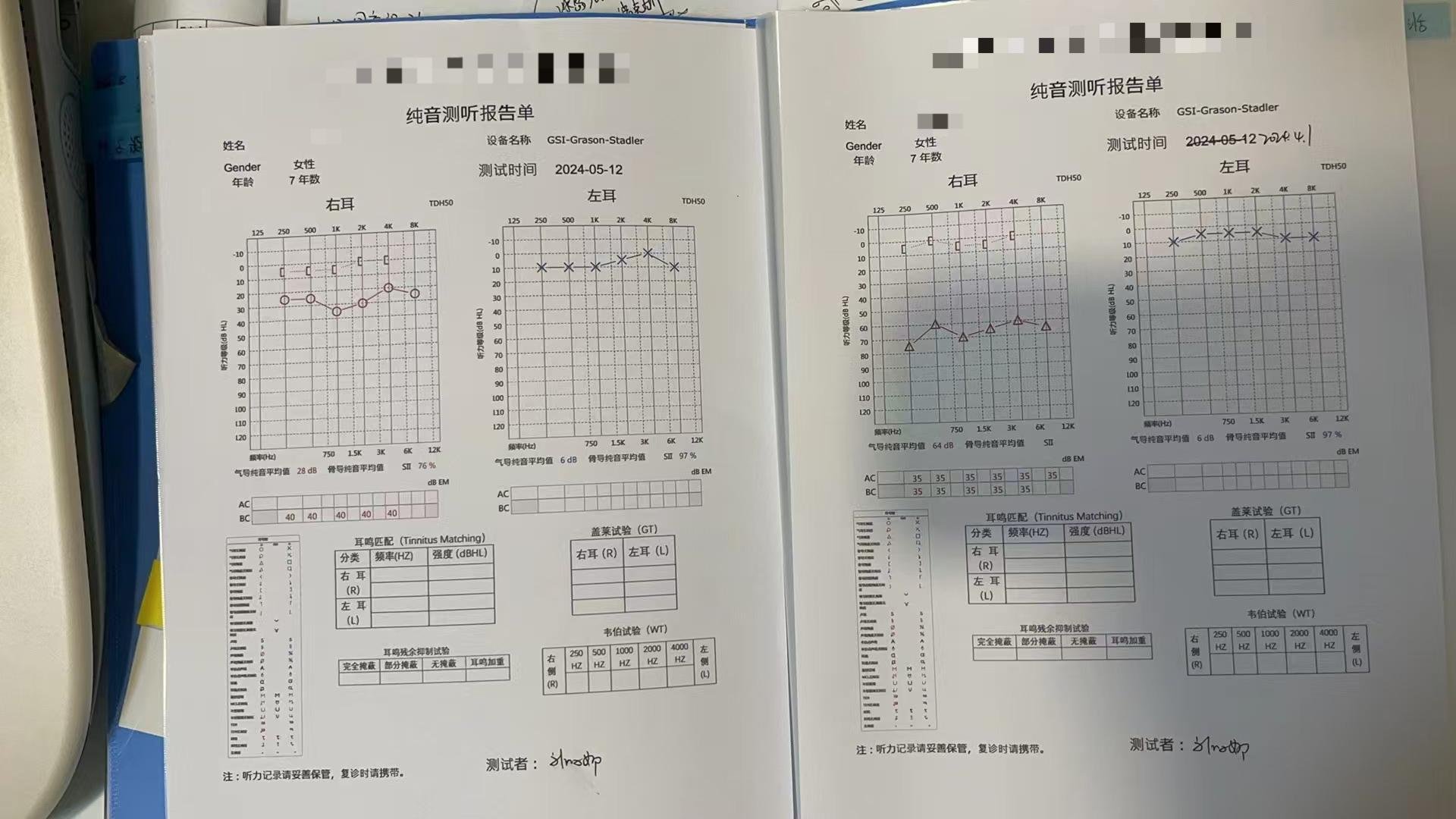
2-Year Follow-Up of Ear Canal Surgeries|Real Recovery Review of 4 Pediatric Patients✨
Many parents wonder how difficult ear canal surgery recovery is and how to handle postoperative emergencies.
Today we share detailed 2-year follow-up recovery records of 4 pediatric patients. Every child has a unique recovery journey—smooth healing, allergy challenges, sudden wound complications, and adolescent-specific conditions. These authentic clinical details serve as a practical reference for families preparing for or recovering from ear surgery❤️
Key takeaway first: Successful ear canal surgery recovery relies not only on the surgery itself but on long-term meticulous home care and strict compliance with medical advice! Steady postoperative care always yields better results than long-distance travel or frequent trips shortly after surgery.
👶 Patient A: Adenoid Comorbid Surgery|Smooth Recovery (2+ Years Post-Op)
Preoperative condition: Adenoid hypertrophy with occasional snoring, no nighttime choking or sleep disturbance. The two surgeries did not interfere with each other. Preoperative score: 8.5/9 with a good baseline condition.
The postoperative period coincided with peak pollen and catkin season, causing frequent sneezing and obvious allergic symptoms in the child. With consistent standardized medication, no ear inflammation or discomfort occurred. The skin graft harvested from the leg healed completely without redness, hyperplasia, or abnormal scarring.
Strict follow-up protocol: Scheduled ear canal cleaning at 1 month, 3 months, and 6 months postoperatively. Ear canal sunscreen was applied consistently in summer, and strenuous exercise was avoided throughout the early recovery phase.
Regular bathing and swimming were resumed at 6 months post-op. After swimming, alcohol-free fast-drying ear drops were used promptly to keep the ear canal dry and prevent bacterial growth caused by moisture.
The parent maintained extremely high compliance and consulted medical professionals for all concerns throughout the 2+ year recovery period. The child’s condition remains stable, with hearing consistently maintained below 20 decibels—an excellent long-term recovery outcome.
👶 Patient B: Preoperative Allergies|Temporary Hearing Test Fluctuation
The child had a history of allergies and took long-term anti-allergy medication. Medical evaluation confirmed the medication would not affect surgery, and the operation was completed successfully.
Routine ear canal cleanings were performed at 1, 3, and 6 months post-op. The child experienced indigestion and internal heat buildup at 1 month postoperatively, which did not spread to the ears or cause inflammation or infection thanks to proper care.
A routine hearing test at 1 year post-op showed an abnormal reading of 59 decibels on the affected ear, which was inconsistent with the child’s daily hearing performance. A repeat test confirmed normal hearing at 25 decibels. Subsequent follow-ups showed stable recovery with no recurrence or long-term sequelae, and hearing has remained normal ever since.
👶 Patient C: Pollen Allergies + Ear Canal Stenosis + Tympanic Membrane Perforation|Turbulent Recovery (Nearly 2 Years)
The postoperative period overlapped with peak catkin and pollen season, triggering allergic reactions. Timely standardized medication prevented initial ear complications.
A minor ear canal stenosis developed at 2 months post-op, caused byrepeated skin irritation from scar cream application on the delicate newly healed tissue, leading to abnormal wound healing.
Scar cream was discontinued immediately. A targeted nighttime care regimen was adopted: customized ear plugs combined with artificial body fluid hydration during sleep. After 41 days of consistent care, the stenosis stopped progressing, and the ear canal fully returned to its postoperative state with stable wound healing.
Nearly 2 years after surgery, a tympanic membrane perforation occurred. By strictly keeping the ear canal dry and following prescribed medication for two months, the perforation healed completely. The child currently has normal hearing with no functional impairment.
👶 Patient D: Adolescent Excessive Sebum Secretion|Fragile Ear Canal & Recurrent Inflammation
Routine ear cleanings were completed at 1, 3, and 6 months post-op. Ear canal fillers were removed relatively late. A secondary ear passage was found at 6 months post-op, which was initially identified during surgery. No special intervention was required as long as no symptoms occurred, with regular observation recommended.
At 1 year post-op, the child developed ear canal discharge with odor. Symptoms were fully controlled with targeted medication prescribed by Professor Kesser.
At the 1.5-year follow-up, a critical issue was observed:the newly regenerated ear canal skin was extremely fragile and prone to bleeding with minor contact. The root cause was excessive sebum secretion during adolescence. Sebum buildup on the new ear canal skin created persistent moisture, damaging the skin barrier and hindering recovery.
The care protocol was adjusted accordingly: the original 6-month cleaning interval was shortened tohigh-frequency professional cleaning every 3 months. As the child lives on campus with limited home time, parents are required to conduct regular ear canal checks at home to maintain dryness and avoid moisture or friction irritation.
A crucial clinical conclusion was confirmed during the 2-year postoperative cleaning: ear canal cleaning after surgery must be performed under a microscope — endoscopic cleaning should never be used. No matter how experienced or skilled the doctor is with endoscopic operations, endoscopes inevitably cause irreversible damage to fragile long-term moist postoperative ear canal skin. This is an inherent limitation of endoscopic equipment and an absolute rule for all postoperative ear canal cleanings.
📝 Key Postoperative Takeaways from 4 Pediatric Cases
1️⃣ No identical recovery process exists: Patients may encounter allergies, stenosis, perforation, inflammation, or fragile skin issues. Flexible, personalized care adjustments are essential, and temporary setbacks are not a cause for excessive anxiety.
2️⃣ Most postoperative complications stem from excessive ear canal moisture, improper care, irregular medication, and missed follow-ups. Pollen allergies, adolescent sebum overproduction, and improper scar care are common hidden triggers.
3️⃣ Strict adherence to medical advice is non-negotiable. Never adjust medication, stop treatment, skip cleanings, or ignore activity and bathing restrictions based on personal experience. Care plans must be tailored to individual conditions and recovery stages.
4️⃣ Slow, steady care outperforms rushed recovery: Consistent long-term home maintenance achieves far better results than hasty travel or frequent activities shortly after surgery. Attention to detail preserves surgical outcomes.
May every child recovering from ear surgery heal steadily and regain clear hearing🌷
#EarCanalSurgery #PediatricOtolaryngology #PostoperativeRecovery #EarCareTips #AdenoidSurgery #ChildHearingRecovery