
Specialist in Congenital Aural Atresia & Hearing Restoration
Helping children and families understand their options for aural atresia, hearing loss, and congenital ear disorders.
Dr. Bradley W. Kesser is an otologist and neurotologist at the University of Virginia, specializing in complex disorders of the ear, with a particular clinical and academic focus on congenital aural atresia, hearing restoration, and pediatric ear disease.
For families facing aural atresia, the most important decision is not simply where to have surgery. It is understanding the child’s anatomy, hearing condition, available treatment options, and the long-term care that follows.
Every child is different. Every treatment plan should be individualized.
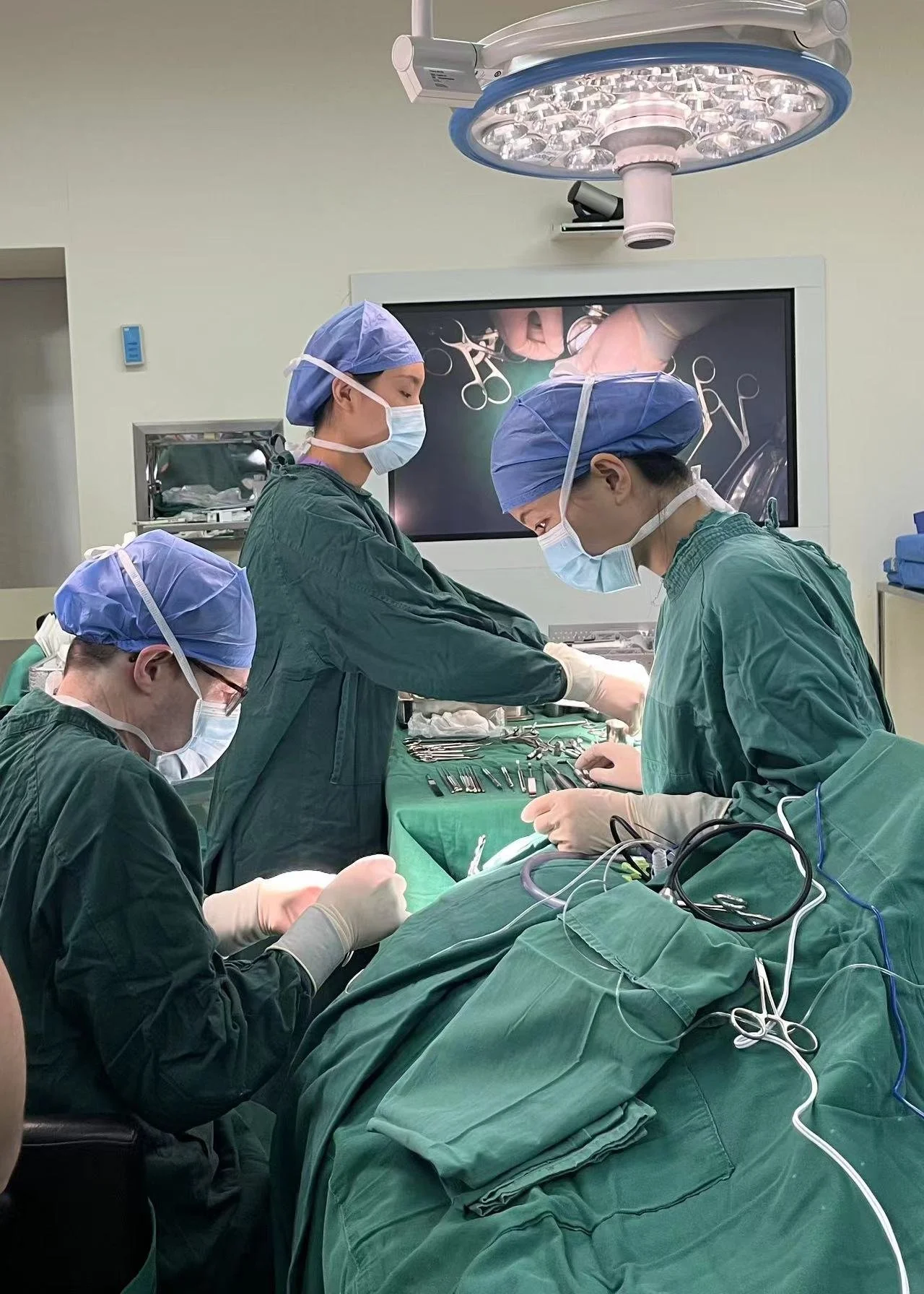

Dr. Kesser’s Approach Emphasizes:

Careful Patient Selection
Understanding the patient’s CT findings, hearing status, anatomy, age, and individual circumstances before recommending surgery.
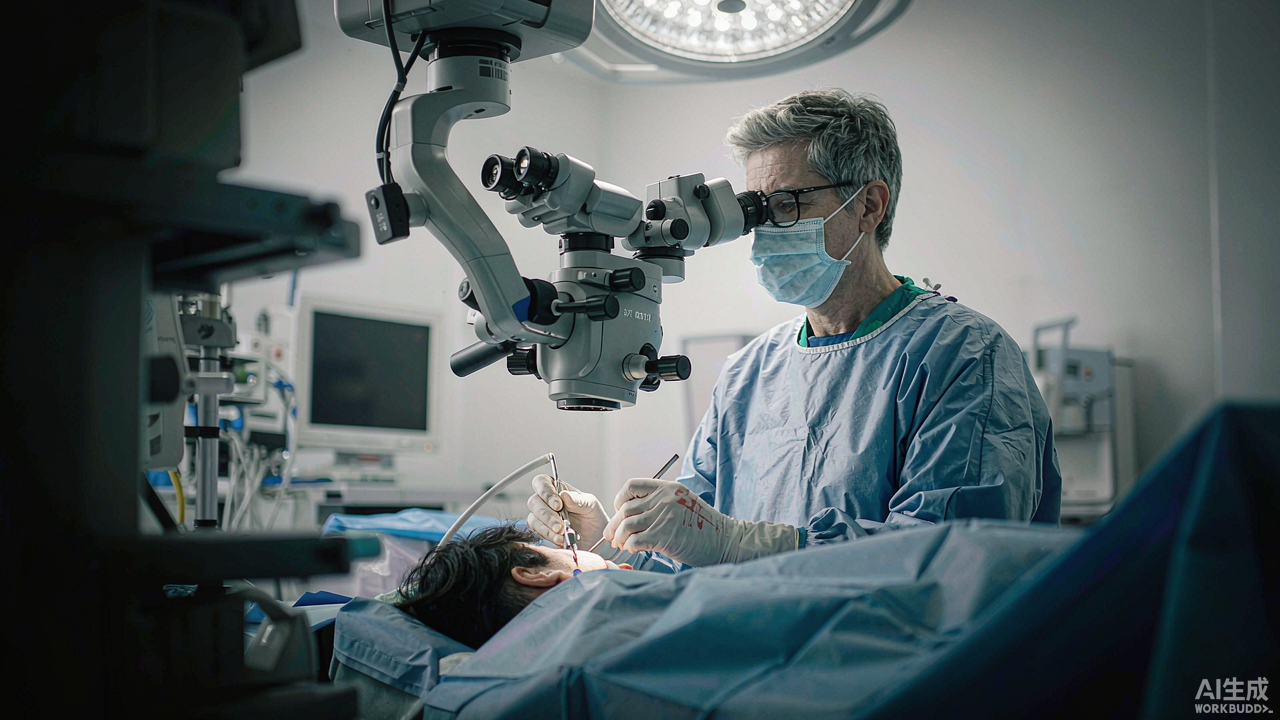
Specialized Surgery
Applying extensive experience in otology and congenital ear disease to complex atresia cases.
Aural Atresia Repair
Surgery Is Only One Part of the Journey
Atresia repair is a technically demanding procedure that requires detailed knowledge of the temporal bone, middle-ear anatomy, facial nerve, and hearing mechanism.
But successful treatment does not end when the operation is finished.
The reconstructed ear canal requires careful postoperative management monitoring, cleaning, and long-term follow-up. This is particularly important during the first several years after surgery and during periods of growth.

Postoperative Follow-up
Monitoring the reconstructed ear canal and hearing over time.
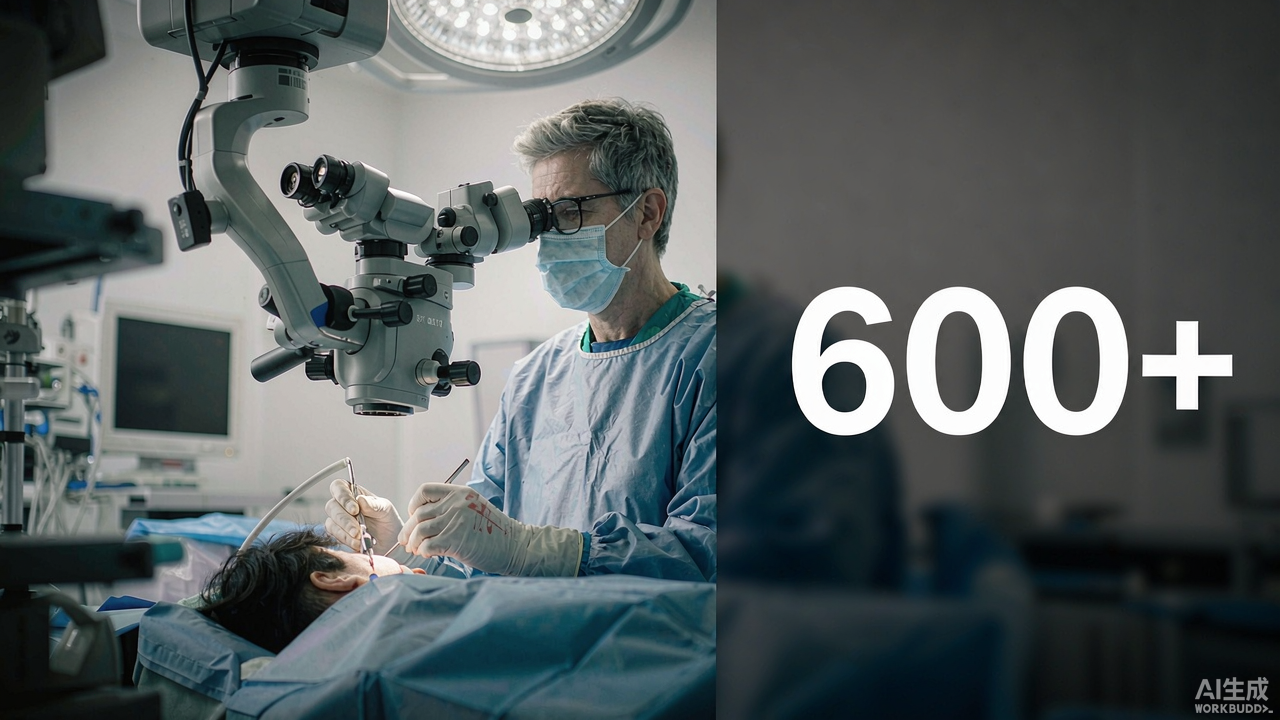
More than 600 Atresia Surgeries
Experience Matters When the Condition is Rare
Aural atresia is an uncommon congenital condition, and relatively few surgeons develop extensive experience performing atresia repair.
Dr. Kesser and his team have performed more than 600 atresia surgeries, providing experience with a wide range of congenital ear anatomies and clinical situations.
This experience has also reinforced an important lesson:
Long-term outcomes depend on much more than the operation itself.
Careful evaluation, appropriate patient selection, surgical technique, postoperative management, and communication with local physicians all play an important role in the patient’s journey.
International Patient Care
Bringing Specialized Ear Care Closer to Patients
Families seeking specialized treatment for aural atresia often travel long distances to find an experienced surgeon.
Dr. Kesser has participated in international conferences, patient consultations, physician education programs, and surgical collaborations outside the United States.
Since 2019, his international work has included educational programs and patient consultations in China, where families from multiple countries have sought information and evaluation for congenital aural atresia and microtia.
Through these programs, Dr. Kesser and his team aim to provide more than a single consultation or operation.
The goal is to create a long-term connection between the specialist, the patient, the family, and the physicians caring for the patient locally.

Communication With Local Physicians
Working with physicians near the patient’s home to support postoperative care and long-term management

Educations
Helping families understand both the potential benefits and limitations of each treatment option.

All things you need to know before the surgery

At least 6 years old
As a policy, I only perform surgery on patients who have reached a certain age, typically around six years old. The primary reason for this is that children at this age are generally able to understand instructions and communicate effectively. While parents are usually present to support the patient, it is important that the child is also aware, especially during the recovery period, to ensure they can follow necessary post-surgical guidelines and instructions for their well-being.
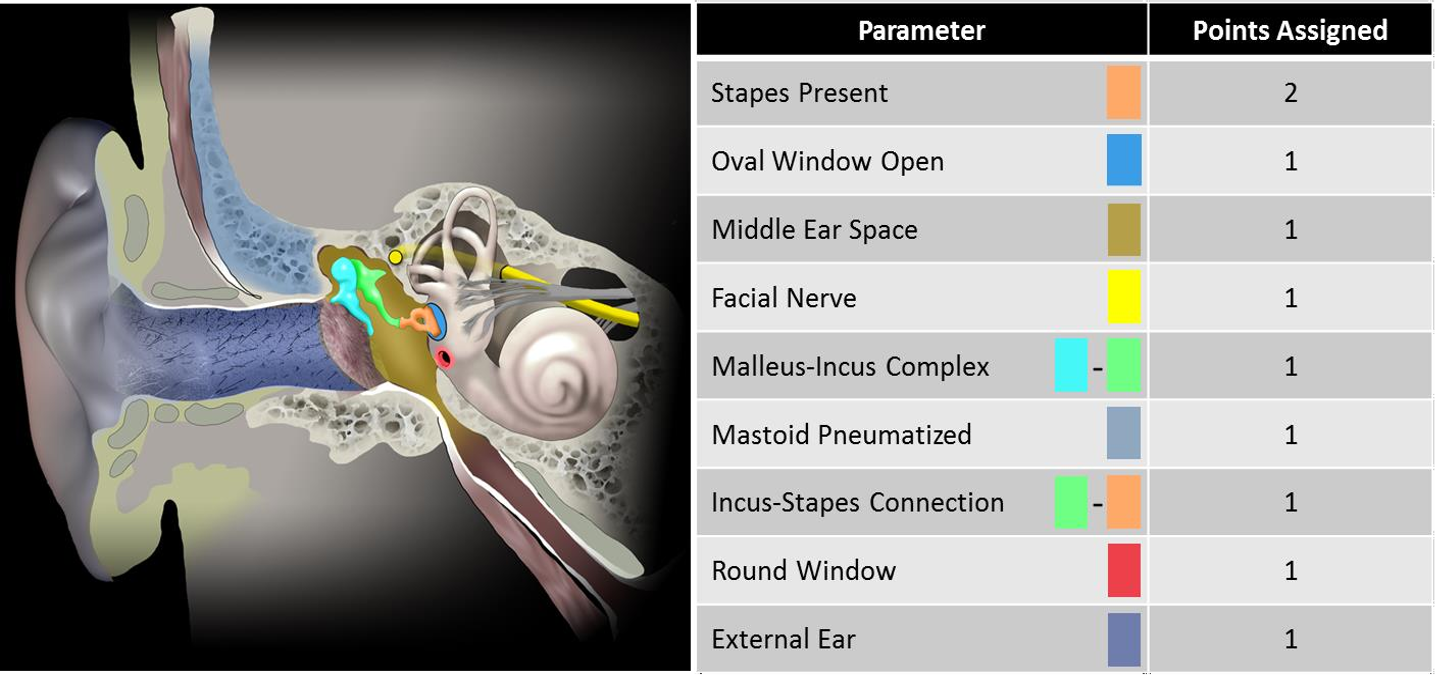
CT scan and Puretone hearing test
When you provide the CT scan and hearing test report, please ensure that all tests were conducted within the last 6 months. The CT scan should be done when the patient is over 4 years old, and each slice must be less than 1mm.
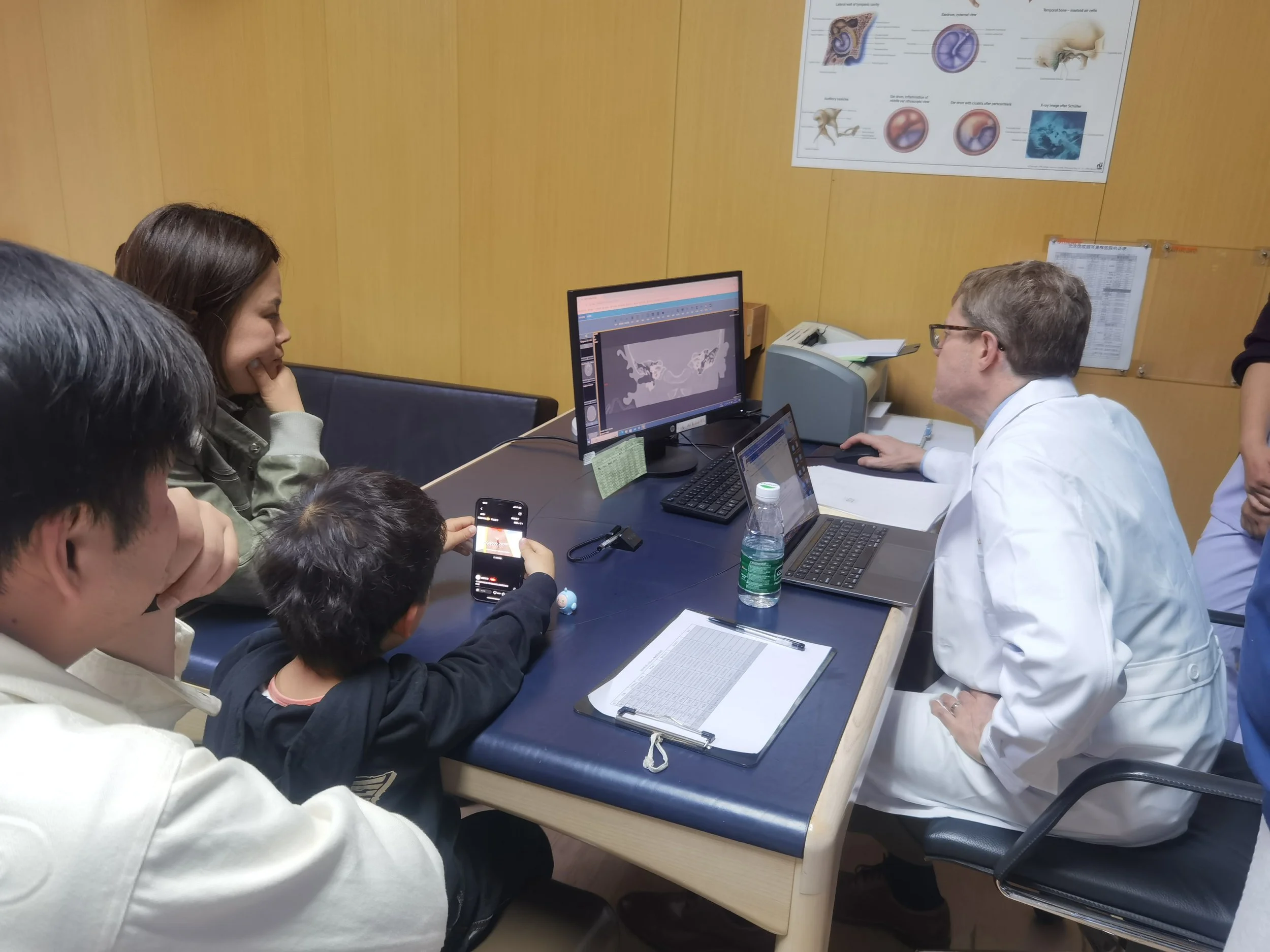
Evaluation
"I only perform surgery on patients who score 7 or above in the evaluation. While anatomy doesn’t change significantly as children grow older, CT scan scores can vary over time, especially if taken years apart.".
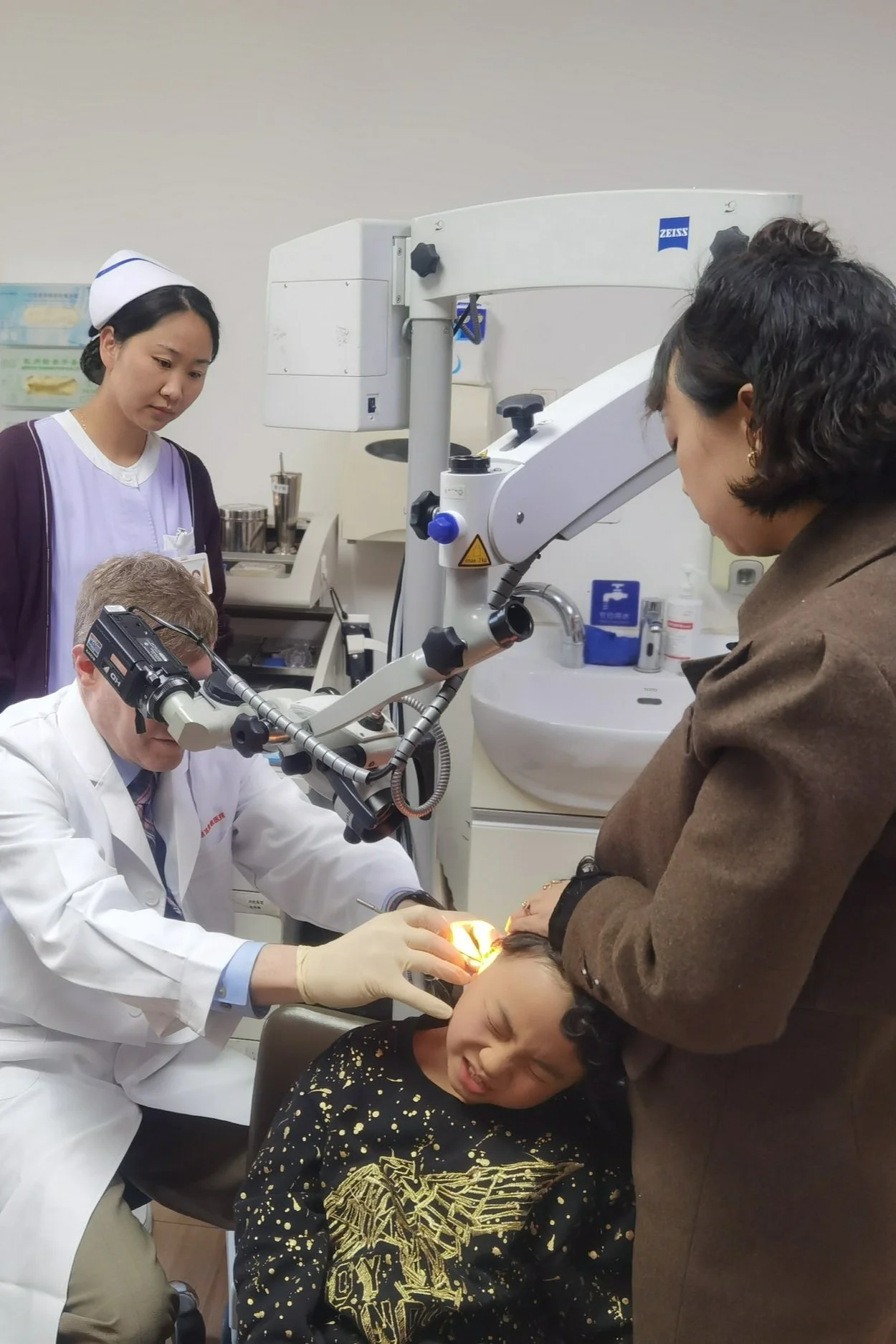
Conmmunication
It is very important for me to communicate with my patients themselves, especially during the meeting, I believe the understanding of my patients effect the outcomes of the surgery directly. Please don’t be hacitate to ask questions about the surgery and treatment. You make the decision, not me. My responsibility is to knowladge you with full understanding of my acdamic views.
