
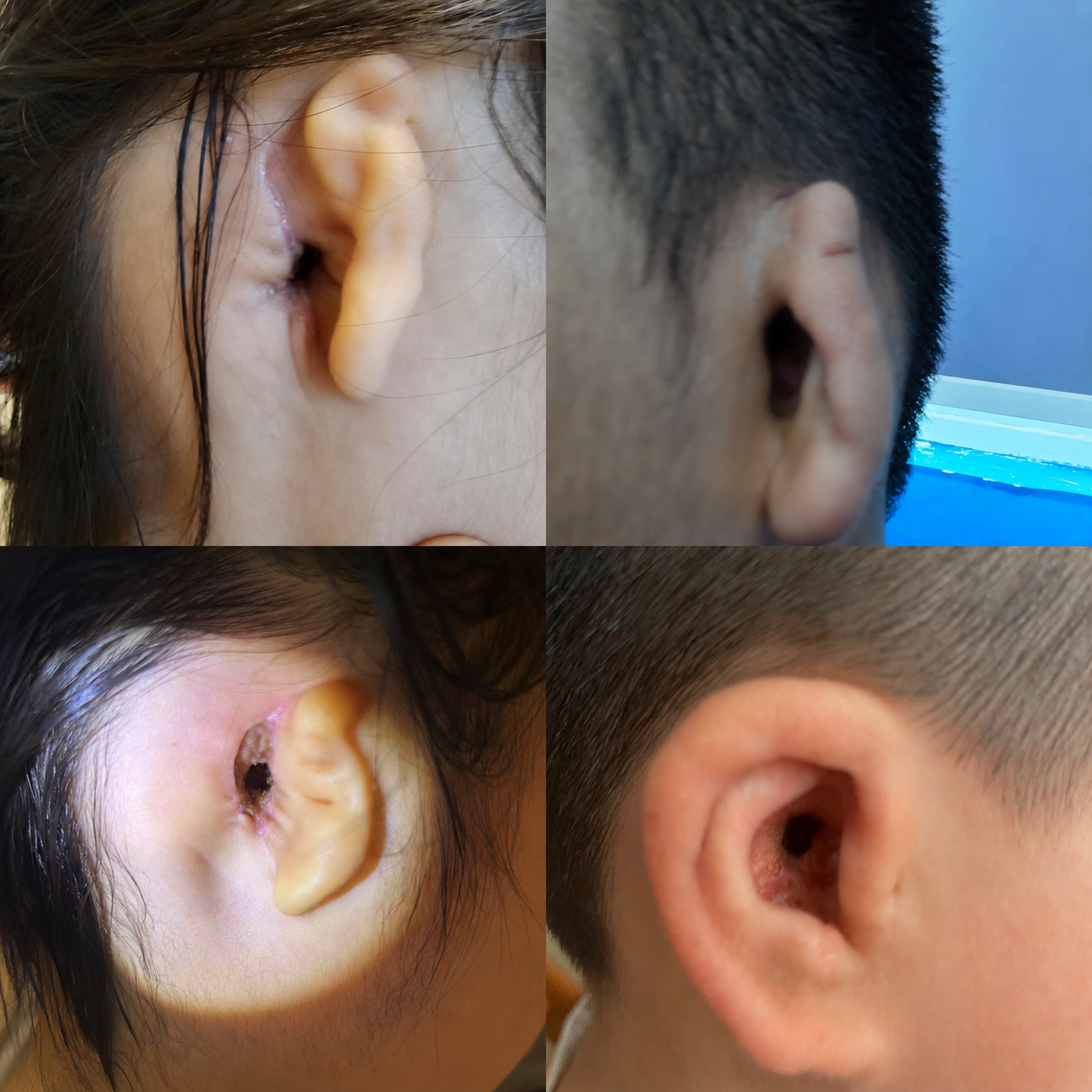
What is Microtia?
Microtia is a conditon in which the ear does not develop properly, causing a child’s ear to be small, malformaed or missing. But microtia is not just a “small ear“. It is a complex condition that needs a multi-faceted approach to treat the reconstruction of the ear, the hearing loss and the psychological aspects for each patient on an individual basis.
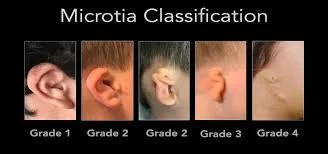
Grades of Microtia
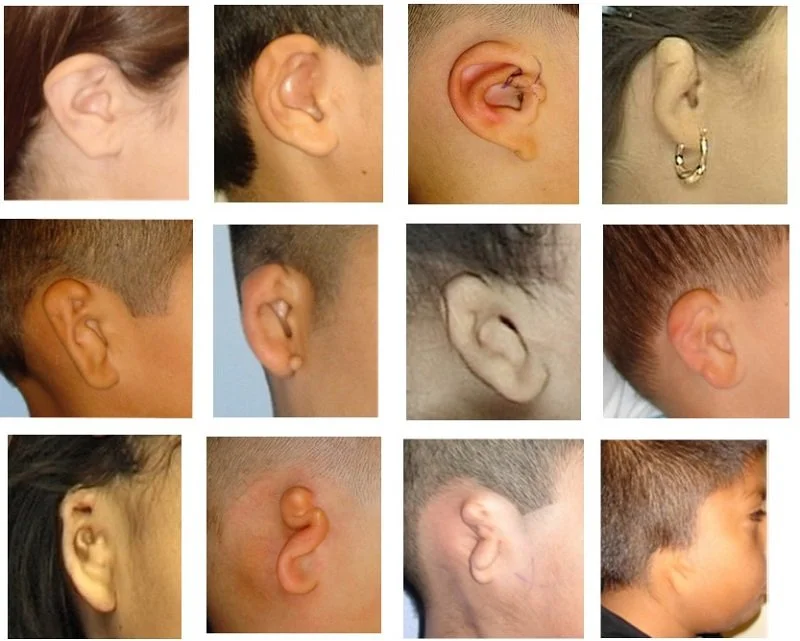
Microtia looks different fro every child. Some babies with microtia are born with a slightly smaller ear, while others have no ear (anotia).
The most commonly used grading system to describe microtia is shown below. The grade increases from 1 to 4 based on the severity of the condition.
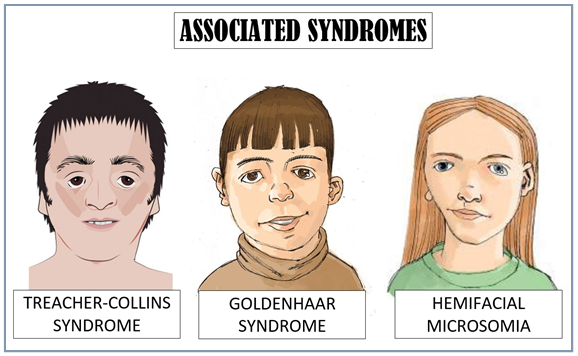
Syndrome
While microtia is often seen as an isolated condition, it may also occur with a syndrome. Syndromes associated with microtia can also affect the kidneys, heart, eyes, craniofacial bones, and skeletal system. These children are often cared for by a Craniofacial Team.
What we don’t know about Microtia?
In most cases the cause of microtia CANNOT be determined. It is thought that microtia may occur due to a combination of environmental, genetic and other factors.
It is important to understand that even though so many parents feel guilty that their baby was born with a birth defect, nothing a mother did during pregnancy caused the microtia.
Rarely, a single gene abnormality can cause microtia, as can exposure to a medicine called isotretinoin (Accutane®) during pregnancy.
Recently the CDC found an increased risk for microtia in mothers who were diabetic before they became pregnant.
What we know about microtia

Microtia affects about one in every 6,000 to 12,000 babies worldwide

The right ear is affected twice as often as the left

Microtia affects about 500 babies per year in the U.S.

About 10% of babies born with microtia have both ears affected (“bilateral microtia”)

Most common among Hispanic, Asian and Native American cultures

Microtia is often associated with aural atresia (a missing ear canal)

Seen in boys twice as often as girls

More than 90% of children with microtia and atresia have a conductive hearing loss